Dordle: Where to Play and How Two Boards Work
Dordle sends every guess to two hidden words, but each board keeps its own clues. Play the daily puzzle or continue with extra games, and learn how to make one word useful on both sides
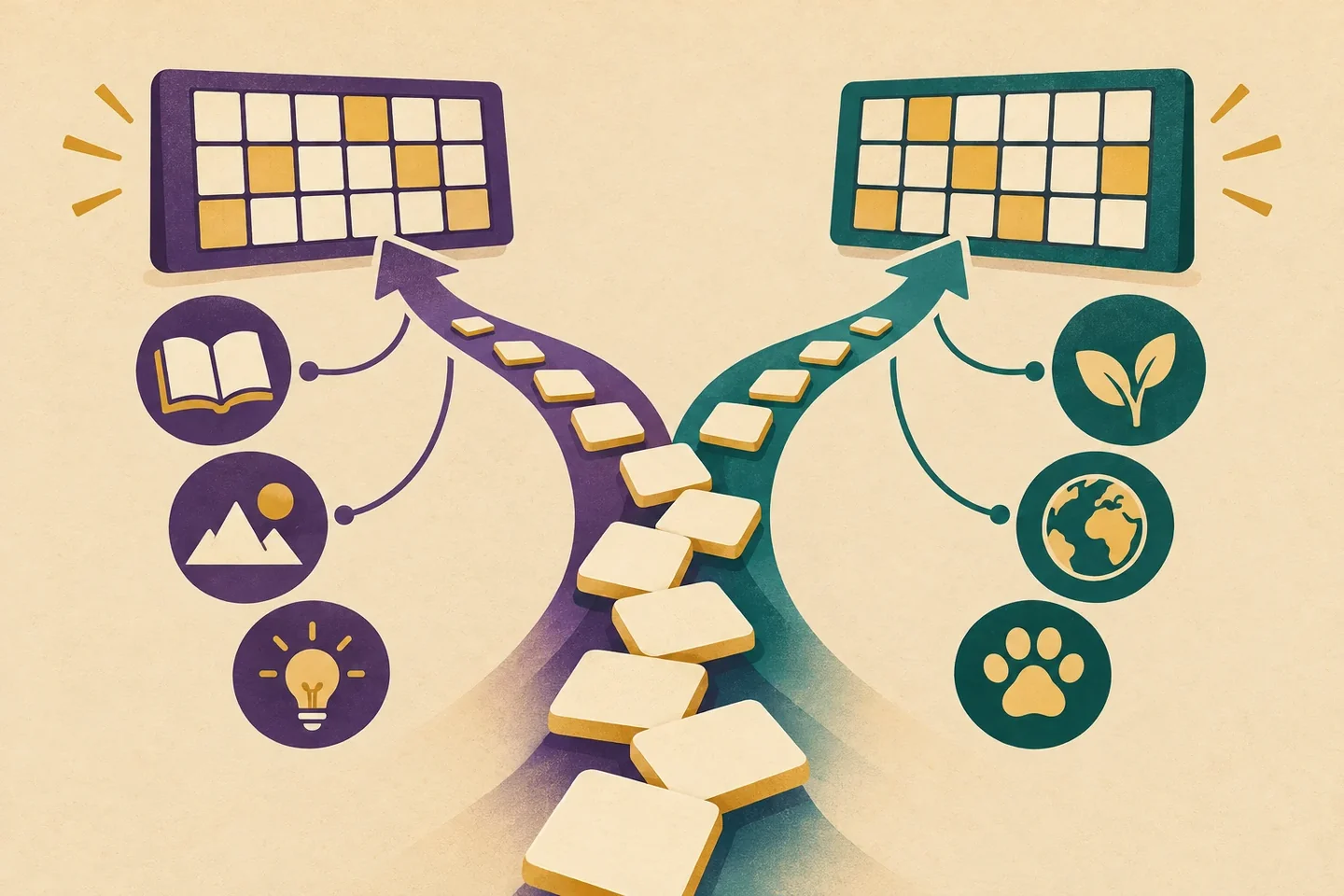
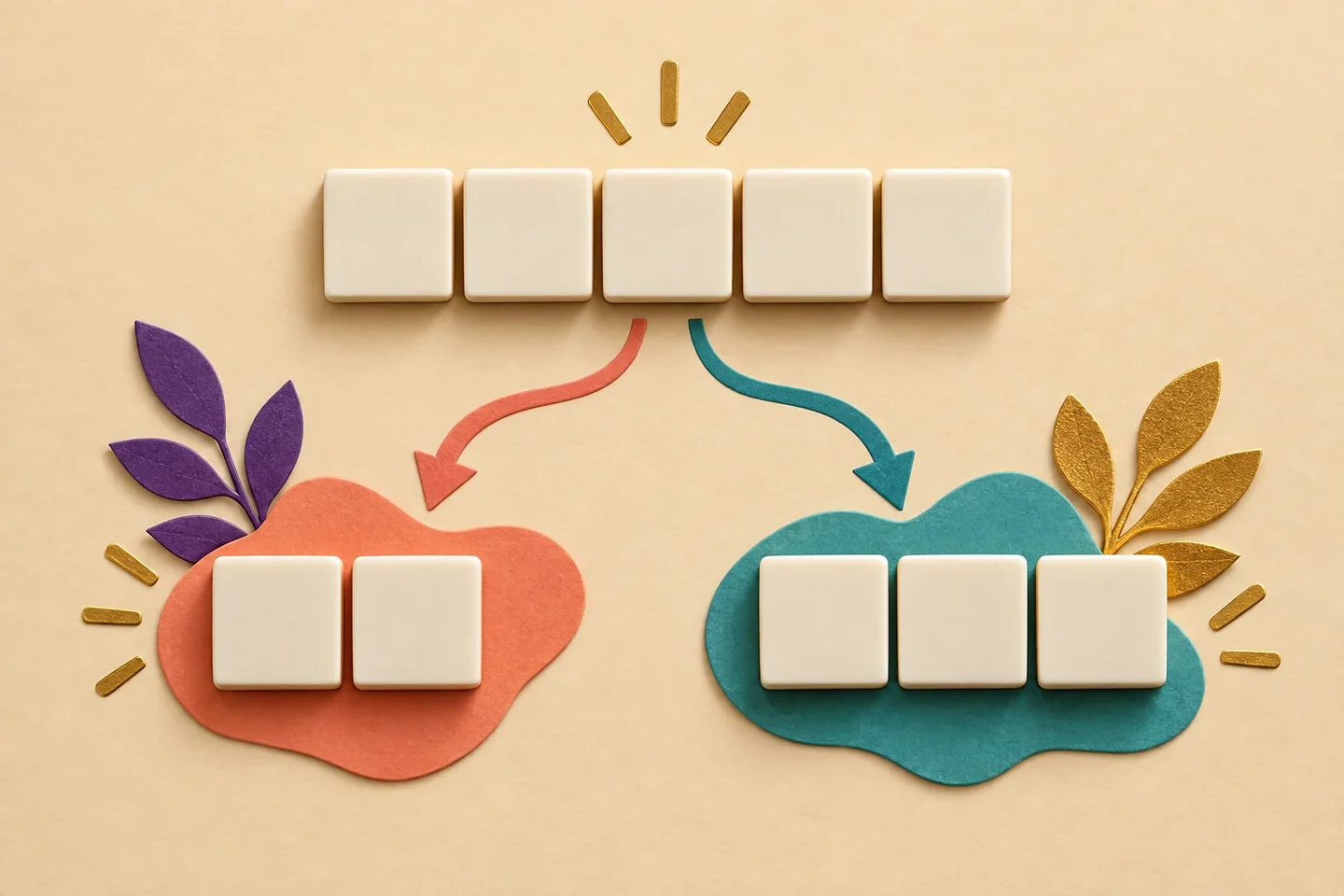
One guess goes to both boards, but the clues never merge. That split is Dordle’s central puzzle: the same word can help you investigate one answer while doing a different job on the other
Where to play Dordle
Open Dordle in a browser on itch.io. It is free to play in English, with two boards active at once. You can choose the new daily Dordle or play extra games, so the puzzle does not stop at the daily round
Both options use the same two-board rule: one word reaches both hidden answers, and each board gives clues for its own target. The daily puzzle and extra games are different ways to choose a round, not separate rule sets to learn
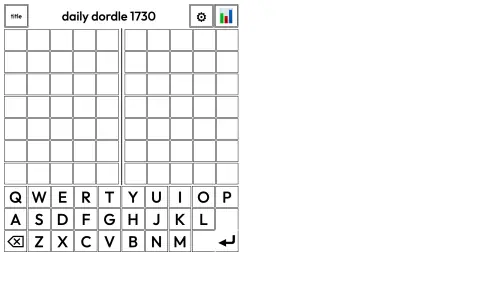
Dordle
Two Wordle boards at once: every guess counts on both words, with a new Dordle each day and as many extra games as you like
Dordle puts two Wordle-style boards in front of you and sends each word you type to both hidden answers. The useful question is not only whether a guess fits one answer, but what it can reveal about each of them
- Two hidden words at once
- Every guess goes to both boards
- A new daily puzzle and as many extra games as you like
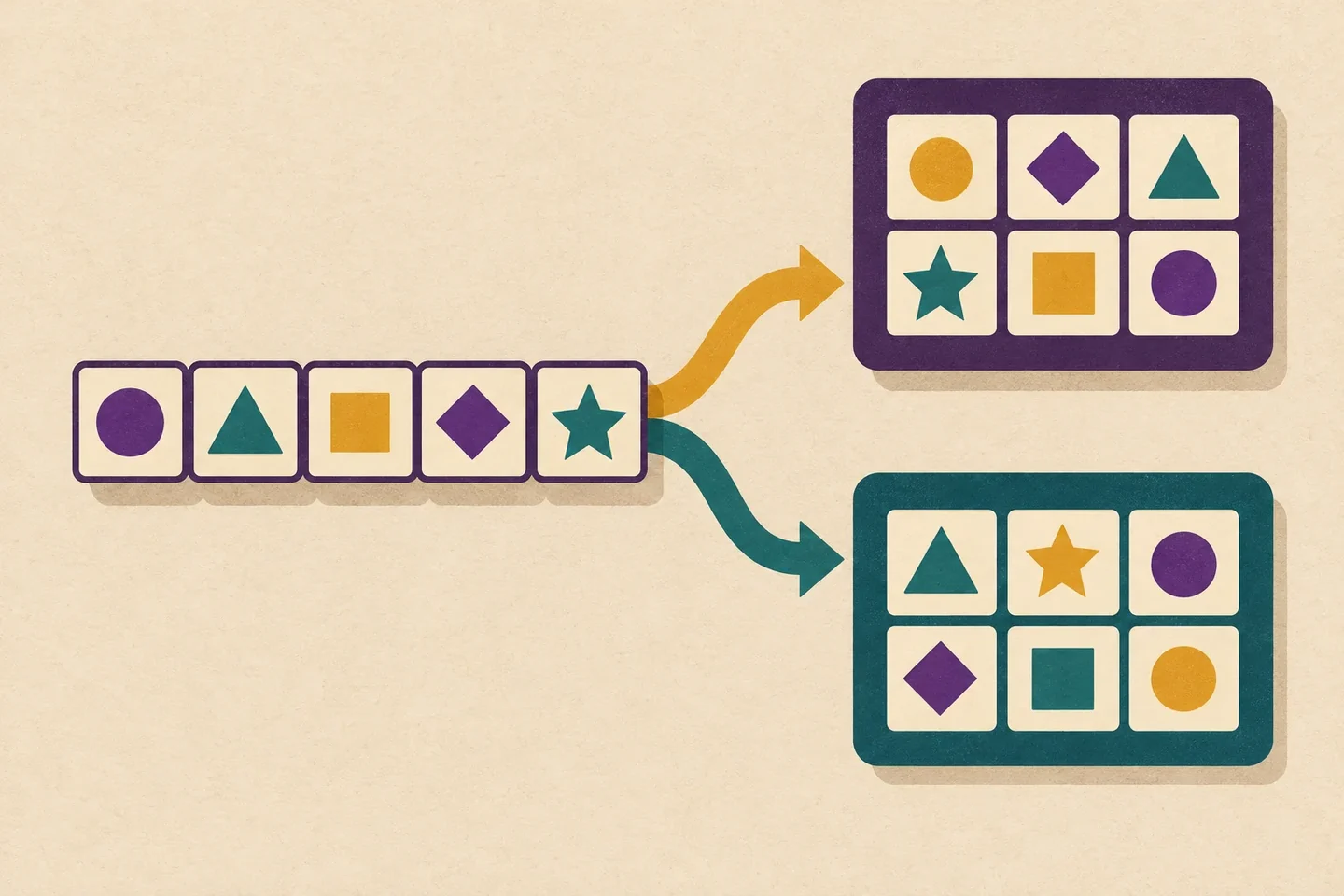
One guess, two separate clues
Think of the boards as two investigations that share your input. A word is not sent to one board first and then saved for the other; the same entry reaches both. Each response belongs to its own hidden answer, so a promising clue on one side does not automatically explain the other
That makes a turn more layered than a guess aimed at one word. A single entry may clarify one target and give you a different kind of evidence about the second. It does not have to help both boards equally, but it helps to notice what it is testing on each side
Keep the feedback mentally separate after submitting. Read one board and decide what its response says about that answer, then give the other board the same attention. A clue on the first side is not a reason to assume anything about the second
A worked example with CABLE and SOUTH
Imagine the hidden words are CABLE and SOUTH, and you enter CRANE. CRANE shares three letters with CABLE and none with SOUTH. The same word therefore has two different jobs: it tests letters relevant to CABLE and rules out the five letters in CRANE from SOUTH
On the CABLE board, those shared letters give you evidence about the target. On the SOUTH board, CRANE provides less direct evidence about what the answer might be, but it still narrows the possibilities by ruling out its letters. Read those two results as separate updates, not one combined verdict
In a real round, let the clues already shown on each board shape what you try next. CRANE is not a magic opening word; its value depends on what remains uncertain about both answers. A guess that looks useful on one side can still give the other side a meaningful test
Choosing a useful next guess
Before typing, name the question you want the next word to answer on the board with the clearest unresolved clue. Then check the other board: does that word test anything useful there too? This makes the trade-off clear before you commit to the entry
If one answer is taking shape, a direct attempt may be the useful move. If neither is ready, choose a word that tests an open question rather than one picked by habit. The key is to consider both targets, even when one is the main reason for your guess
A turn-by-turn routine
Separate the evidence
Read each board’s clues on their own
Pick a purpose
Choose a word to test an unresolved question on one board
Consider both targets
Check what the same word might reveal about the other answer
Reassess separately
After the response, update each board from its own clues
Daily Dordle and extra games
The practical difference is where you want to stop. The daily puzzle gives you the day’s Dordle; extra games let you carry on with another round. If you want to keep working through two targets after the daily puzzle, the extra option is there without changing how guesses work
The choice is about the round, not a change in strategy. You do not need a different approach for an extra game: one word still reaches both boards, and their clues still belong to separate answers
For a contrast in what “two boards” can mean, Worduel has two players take turns guessing one shared hidden word. Worduel is one of our games. Dordle puts the focus on one player balancing two answers at once
Who Dordle suits
Dordle suits players who enjoy word deduction and the extra decision of making each entry serve two targets. Keep the daily round for that day’s pair; choose an extra game when you want another pair without waiting for a new daily puzzle
For more puzzles built around simultaneous targets, browse Multi-board. In Dordle, the useful habit is simple: weigh one guess against both boards, then keep each board’s evidence to itself